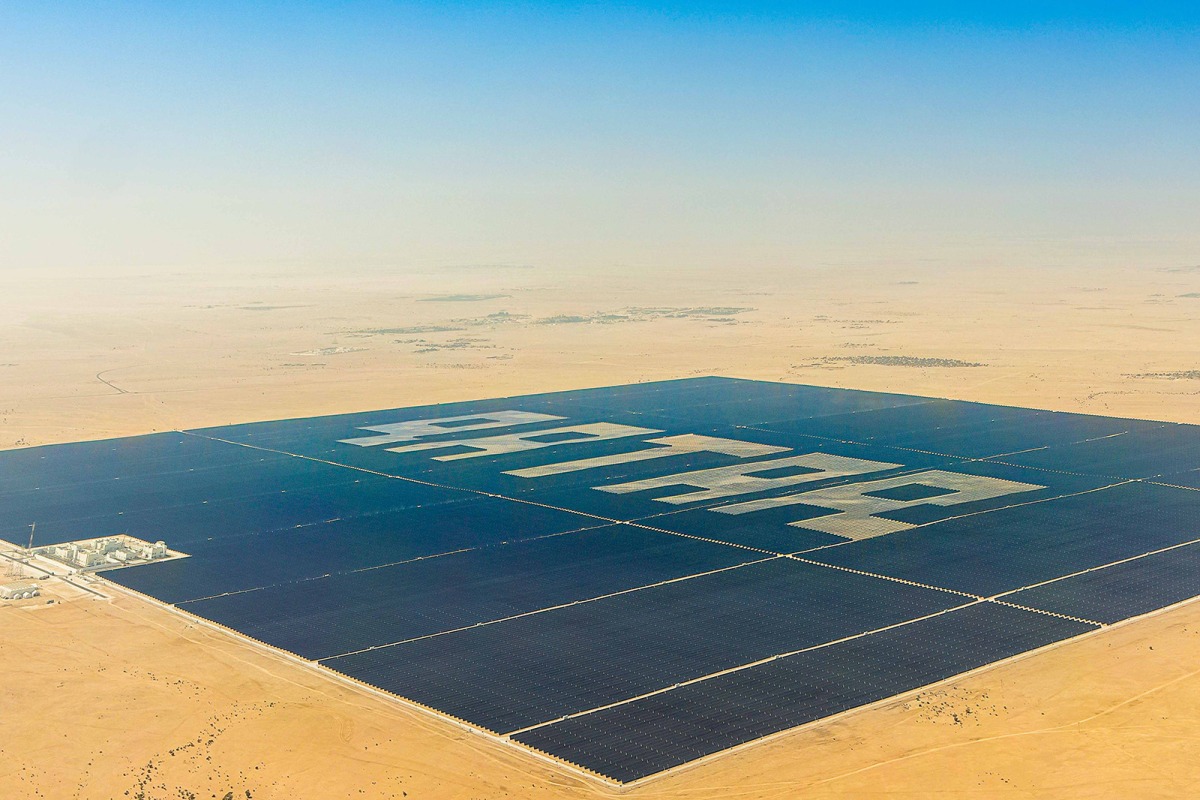
File photo: Al-Kharsaah solar power plant, Qatar
Doha, Qatar: Qatar’s solar energy market is poised for strong growth as the country accelerates efforts to expand renewable energy capacity and support the decarbonisation of its energy sector, according to a report by Mordor Intelligence.
The analysis notes that the sector is projected to expand significantly over the coming years, rising from an estimated 2.88 gigawatts (GW) this year to 5.29GW by 2031.
The market, which was valued at 2.55GW in 2025, is also forecast to register a compound annual growth rate (CAGR) of 12.95 percent during the 2026-2031 period, supported by the country’s renewable energy ambitions, strong solar resources, and utility-scale projects.
The data notes that the electricity sector remains heavily dependent on natural gas, which accounted for 99.72 percent of electricity generation in 2024. However, the country’s National Renewable Energy Strategy is targeting an 18 percent share for renewable energy in installed power-generation capacity by the end of the decade.
According to the market analysis, rising utilisation of the country’s high solar irradiance and the government-backed procurement programmes are among the key factors driving growth in the Qatar solar energy market.
On the other hand, Qatar’s renewable energy target is expected to act as a major catalyst for utility-scale solar development. The country’s 4GW utility-scale renewable energy mandate requires average annual additions of around 460MW, more than double the average pace recorded between 2019 and 2024.
The data highlights that Qatar’s favourable solar conditions provide another strong foundation for market growth. Global Horizontal Irradiance in the country averages around 2,140 kilowatt-hours per square metre, creating attractive conditions for utility-scale photovoltaic projects.
Analysts at Mordor Intelligence stress that the project is expected to achieve capacity factors in the range of 24 percent to 26 percent. Qatar’s low cloud cover and light-coloured desert terrain further support solar generation and improve the economics of tracker-based photovoltaic systems.
The sharp decline in solar module prices is another factor strengthening the market outlook. The report outlines that the average module prices fell to around $0.11 per watt in 2024, representing a decline of about 40 percent compared with 2022.
The researchers emphasis that the involvement of multilateral lenders in recent projects nevertheless points to continued international confidence in Qatar’s renewable energy programme and the strength of project structures.