All photos by Haris Sha/ The Peninsula
Doha, Qatar: The Design Doha Biennial 2026 opens to the public today, bringing together more than 300 designers and studios from over 50 countries to explore how inherited knowledge, traditional practices and material histories can inform contemporary design and future possibilities.
Building on the success of its inaugural edition, this year's biennial takes a more expansive approach, transforming the event into an urban-scale exhibition that extends beyond gallery spaces. It brings the historic and one of the oldest neighbourhoods in Doha, Fereej Al Asmakh into the programme, alongside the return of its headline exhibition, Arab Design Now, in Msheireb Downtown Doha.
One of the ideas explored in this year's edition includes how creativity can respond to challenges of the present while drawing from the knowledge and practices of previous generations. The idea also reflects the wider cultural role of design and its ways to offer alternative avenues in addressing social, climate, and environmental challenges.
Speaking with The Peninsula, Fahad Al Obaidly, Director of Design Doha, reflected on the remarks of HE Sheikha Al Mayassa bint Hamad bin Khalifa Al-Thani, Chairperson of Qatar Museums, who spoke about culture as a form of resistance and resilience.
He said: "Her Excellency articulated well about how creativity is a form of resistance. It's not only about the system of making. It's about the creative solutions that you're going to bring to really design something meaningful that serve you as human but at the same time, it responds to the ecosystem here in Doha or regionally."
For Al Obaidly, this idea is also reflected in the biennial's approach to commissioning and developing design projects. He emphasized that the programme also places importance on the research and dig deeper in the processes that inform their creation.
"So Design Doha, it's the commissioning power and allow designers to extend, that's why it's okay for us to move from April to November because it gives the designers more time to do more research, think about their objects, and think about the ecosystem this object will serve."
"And because of that timeline, we went even deeper and dig deeper in terms of what ancestral knowledge are we actually preserving, how we are preserving it and how it's articulated, and translated to collectible design," he said.
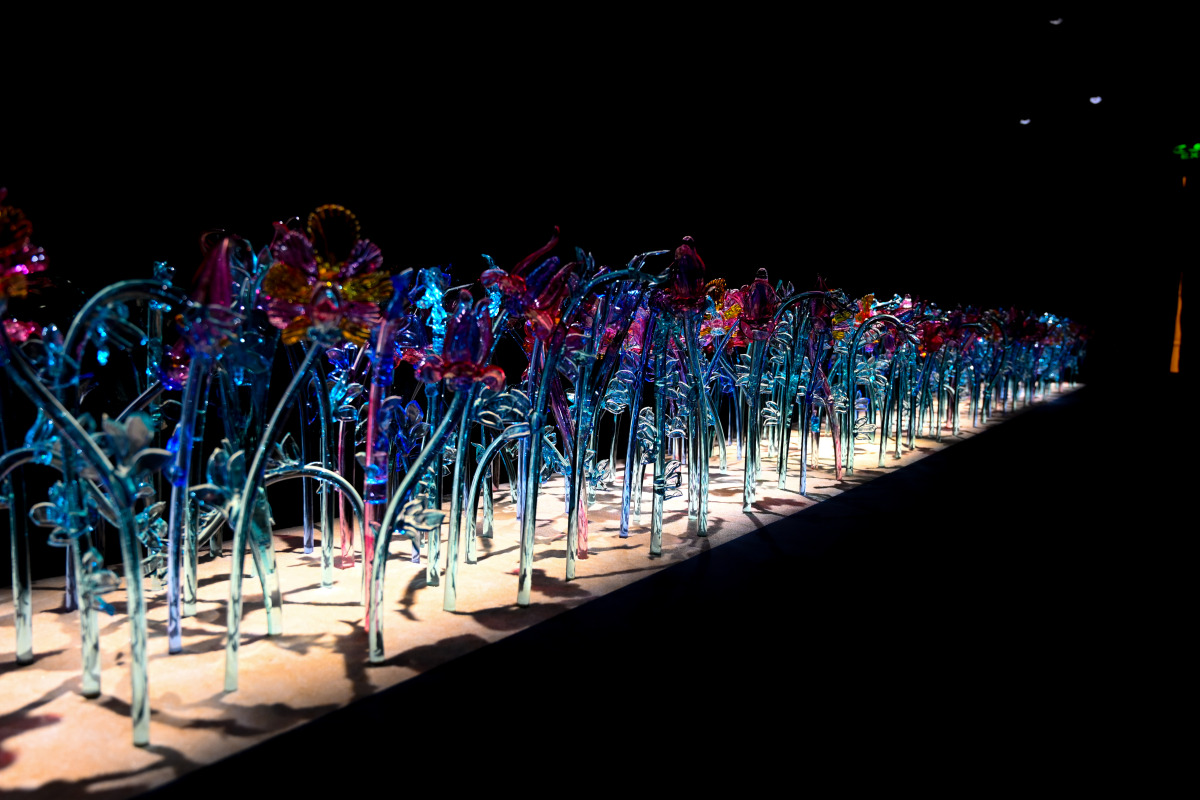
Photo by Haris Sha/ The Peninsula
This emphasis on process and of the making are central to understanding the biennial's broader vision and direction about how the objects presented are not intended to merely be displayed as finished pieces but also as outcomes of research, cultural exchange, material exploration and accumulated knowledge.
"I think the biennial's role is to expose the process, to expose the methodologies, to expose the thinking behind every object...We are trying to bring this, I call them historical cultural technologies to today's use. And the designers and the architects from the region are the best to articulate it and translate it," he said.
 Photo by Haris Sha/ The Peninsula
This perspective is also evident in the latest edition of Arab Design Now, curated by Noura Al Sayeh. Building on the foundations established during its inaugural presentation, the exhibition takes a more in-depth, behind-the-scenes approach to design, presenting both the finished works and the processes that shaped them.
The exhibition also invites visitors to look beyond the final form of an object and consider the reasoning behind it such as why certain materials were selected, which traditional or historical practices informed the work, and how these were interpreted to contemporary approaches.
This year's edition also brings the conversation into the built environment, with Fereej Al Asmakh historic neighbourhood, known for its traditional sikkas and courtyard houses, has been transformed into an expansive exhibition venue, demonstrating how design can engage with existing urban environments, giving them renewed purpose while maintaining a connection to their history.
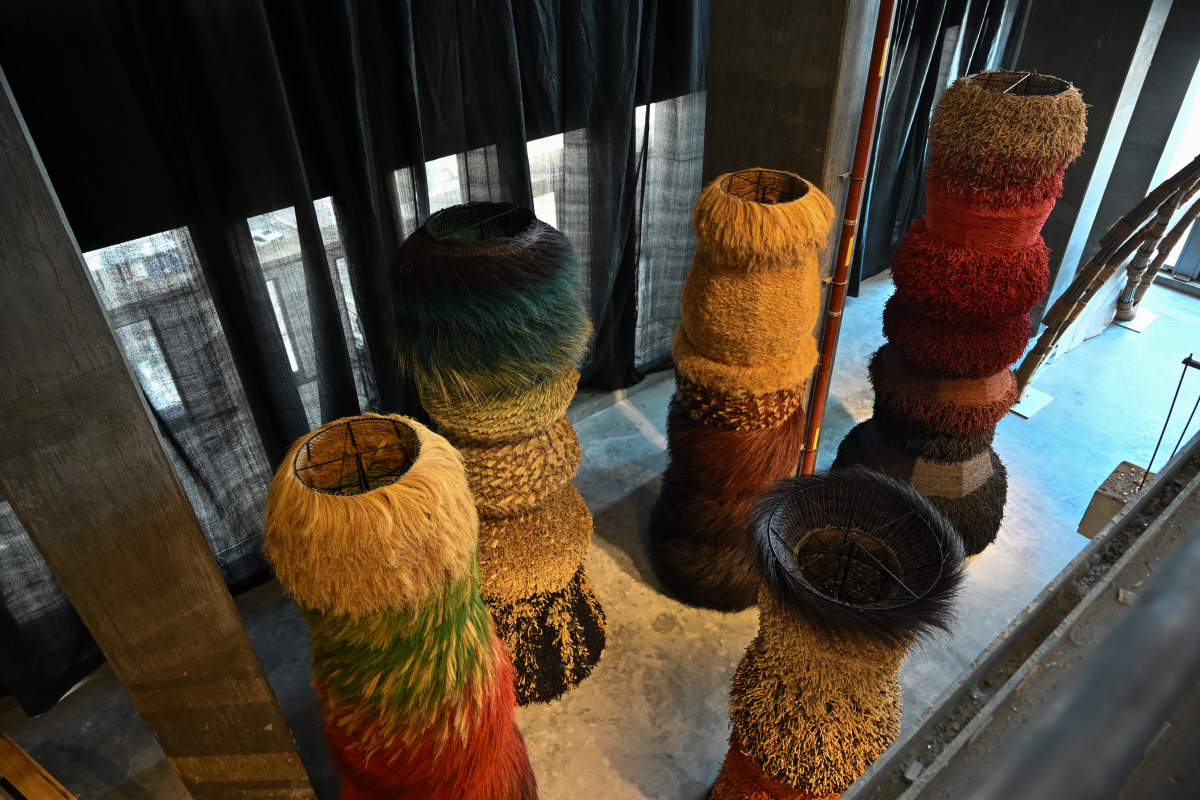
Photo by Haris Sha/ The Peninsula
Glenn Adamson, Artistic Director of Design Doha, said: "Design Doha 2026 has really played a key role in that urban regeneration. And it's such a fantastic example in microcosm of what design can do for culture."
"It really is, in so many ways, the leading wedge of positive transformation, not just here in Doha and Qatar, but across the region and across the world. And I feel like, in some ways, we're right here at the epicenter of it all," he added.
Ultimately, the biennial extends beyond presenting new objects or introducing audiences to emerging design practices. Instead, it encourages visitors to reconsider daily encounters, through history, ancestry, materials, and production systems behind them.
For visitors, Al Obaidly said: "I would say designers or the public audience will see themselves through those objects, they will understand the 'why' this design the way it was designed, where the material came from, how they sourced the supply chain, how they produce it with this factory, is it ethical production or not, does the object have a longevity approach. "
Design Doha 2026 positions design as a continuing conversation between past and present, where inherited knowledge is reinterpreted to address contemporary needs and imagine what comes next.
The Design Doha Biennial 2026 is now open to the public and will run until January 31, 2027. Day passes are priced at QAR 25 for adults, both residents and non-residents of Qatar, while children aged 16 and under and students, regardless of residency status, can enter for free.