Director of the Islamic Civilisation Centre in Uzbekistan Dr. Ferdous Abdulkhaliqov with members of the delegation during a visit to Islamic Cultural Centre.
Doha, Qatar: Director of the Islamic Civilisation Centre in Uzbekistan, Dr. Ferdous Abdulkhaliqov, has praised the efforts of Sheikh Abdullah bin Zaid Al Mahmoud Cultural Islamic Centre at the Ministry of Awqaf and Islamic Affairs in introducing Islamic civilisation, its values and its cultural and artistic heritage.
He made the remarks during a visit to the centre accompanied by a delegation from Uzbekistan, where they explored its various cultural and educational programmes, including the Al Raqim International Arabic Calligraphy Competition and its initiatives for teaching Arabic to non-native speakers.
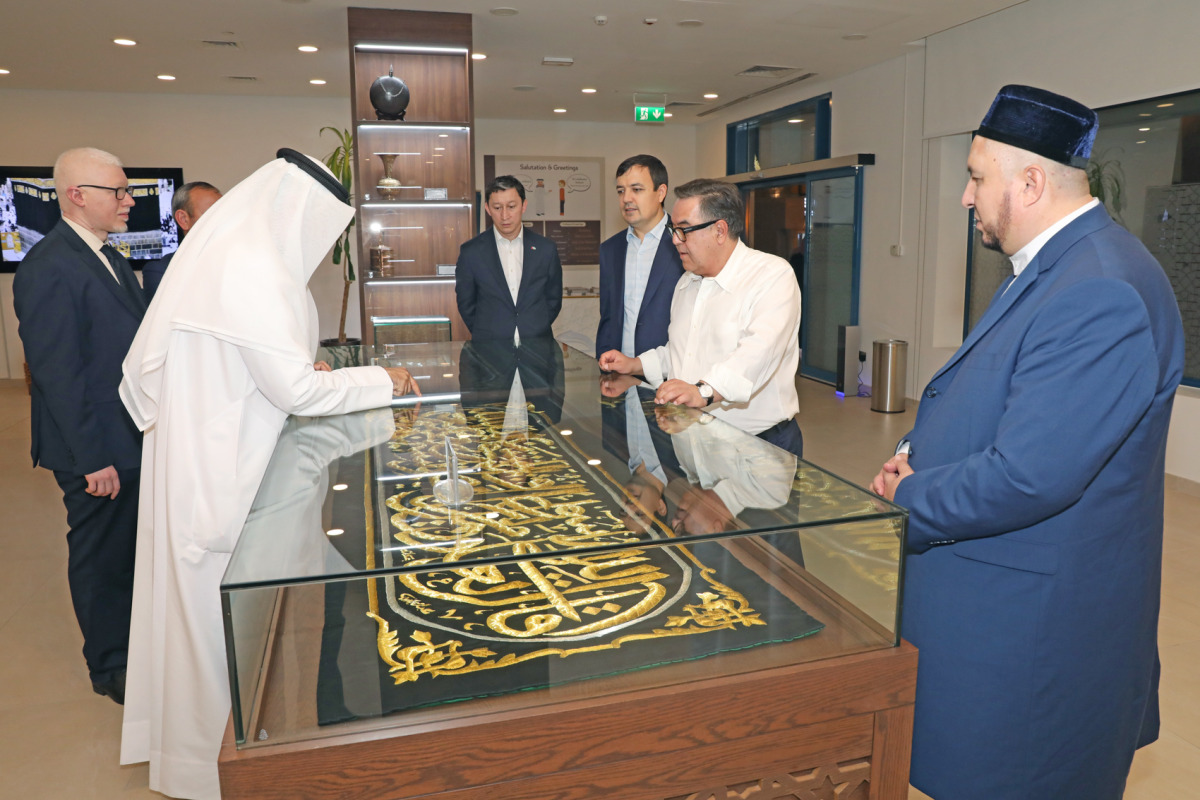
The visit reflects the Ministry of Awqaf and Islamic Affairs’ efforts, through the centre, to strengthen relations and cooperation with institutions and organisations sharing common interests in promoting Islamic civilisation, culture and arts, while building bridges of communication between different cultures.
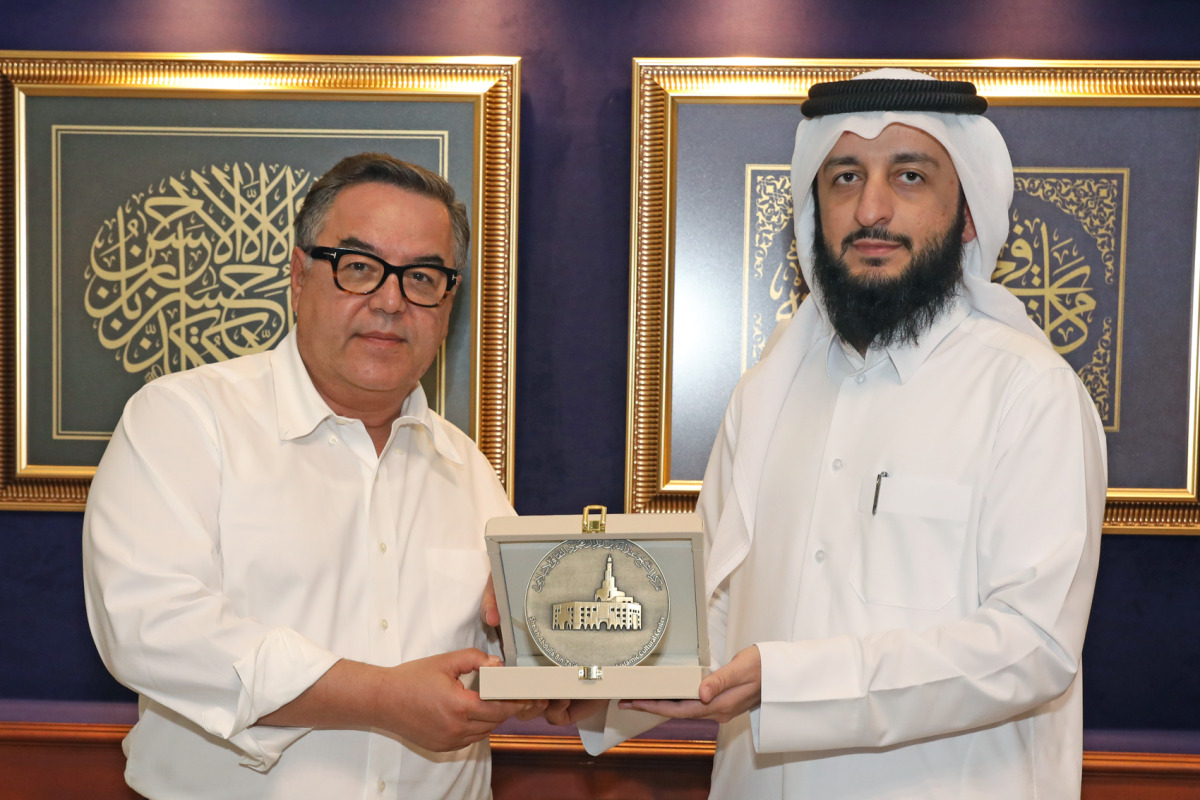
During the visit, Abdulkhaliqov and the accompanying delegation were briefed on the centre’s main activities and its approach to introducing Islam through Islamic civilisation and the arts.
Representatives of the centre explained how Islamic civilisation can serve as an effective gateway to presenting Islam and highlighting its comprehensive values and contributions to different aspects of life.
The delegation also learned about the Qatar International Arabic Calligraphy Competition, Al Raqim, which reflects the centre’s commitment to promoting Islamic arts and highlighting their role in introducing Islamic culture and civilisation. The competition is among several cultural initiatives supported by the centre to strengthen cultural identity, promote Qatar’s intellectual and civilisational presence, and serve the Arabic language.
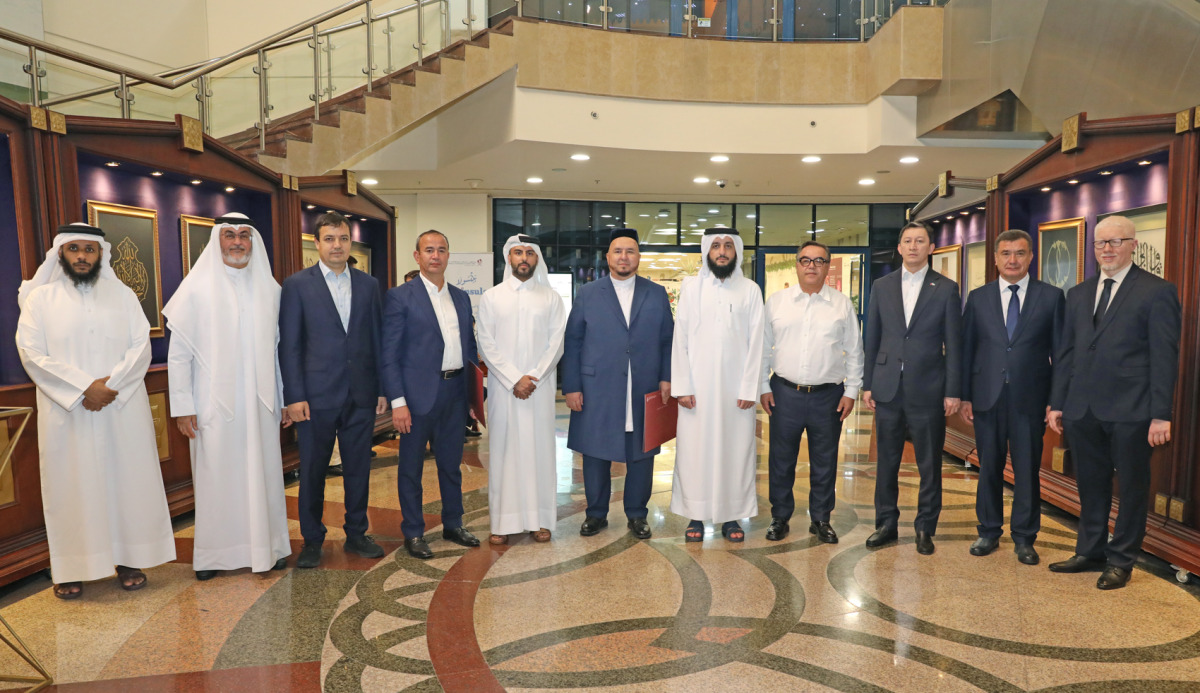
The Uzbek delegation also explored the centre’s experience in teaching Arabic to non-native speakers, including its courses, curricula, classroom facilities and the technologies employed in the educational process.
Teaching Arabic is one of the centre’s key areas of work. It implements programmes both inside Qatar and abroad, drawing on international experience that includes organising Arabic language courses in several countries, including Bosnia and Herzegovina, Tatarstan and Cambodia. These initiatives aim to strengthen cultural communication and introduce Islamic culture to wider communities.
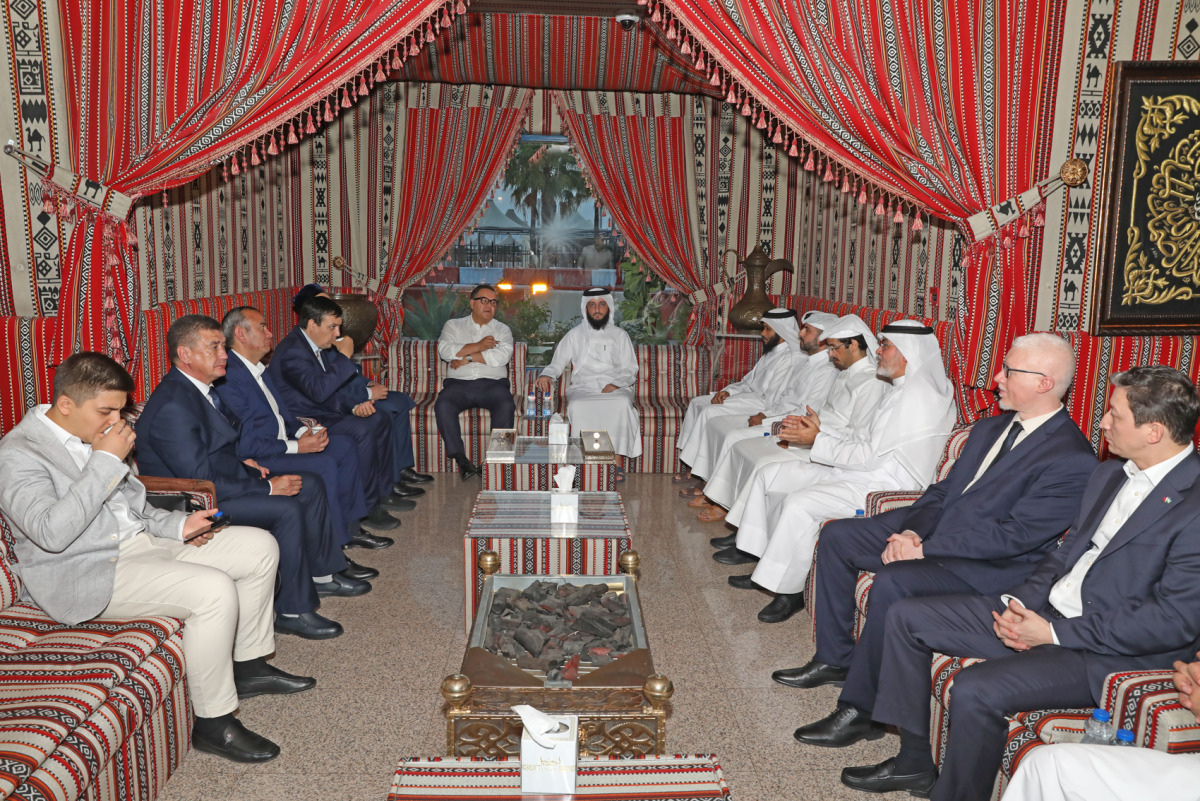
At the conclusion of the visit, Abdulkhaliqov expressed his admiration for the centre’s experience in introducing Islamic civilisation. He also expressed his gratitude to Allah for the existence of an institution dedicated to carrying out such a mission and wished continued success to the centre’s staff and the Ministry of Awqaf and Islamic Affairs.
The centre reaffirmed its commitment to strengthening cooperation with Islamic institutions and centres worldwide to promote Islamic civilisation through its values, arts and culture.