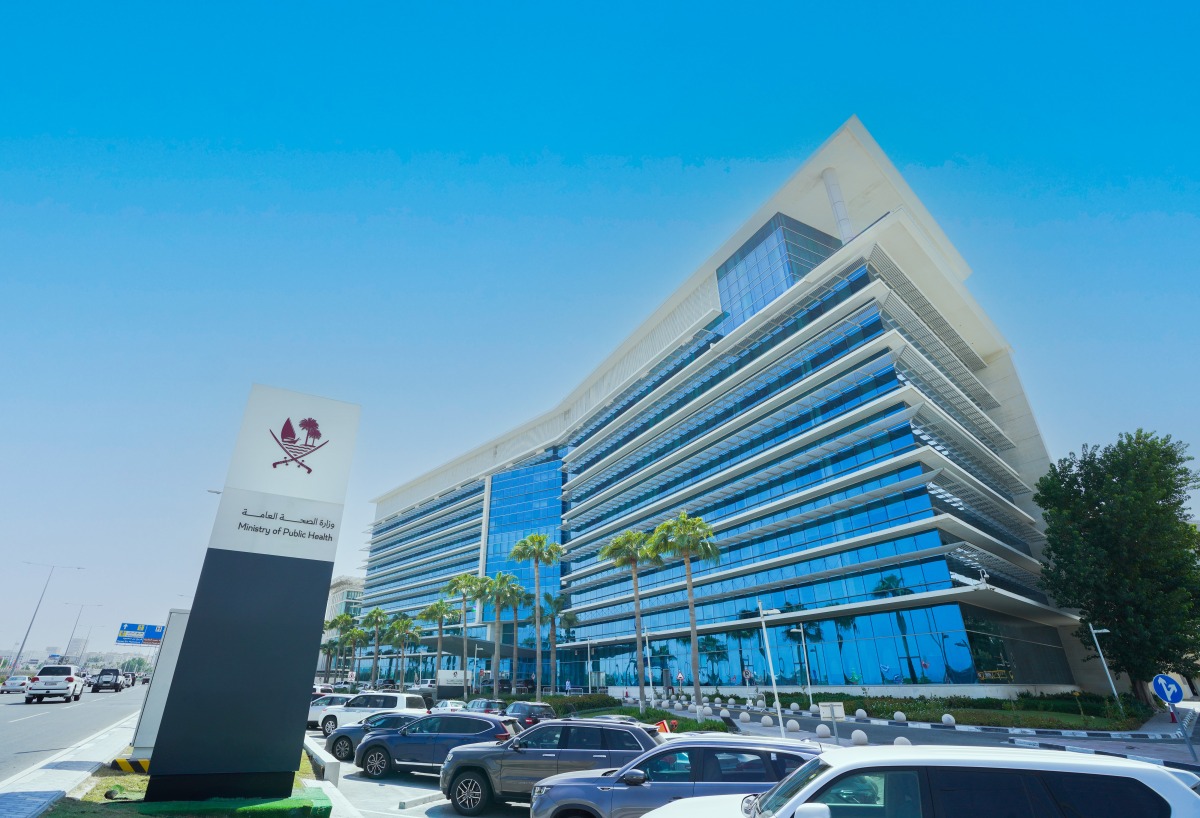
Doha, Qatar: The Ministry of Public Health (MoPH) and Ministry of Labour (MoL) jointly have issued several safety measures and precautions to keep people safe during summer months and prevent heat-related illness.
Importantly the Ministries have indicated that new and returning workers need to build tolerance to heat (acclimatize) and take frequent breaks.
In the social media awareness campaign MoPH and MoL have urged to follow the “20% rule” which insists that on the first day of work not more than 20% of the shift’s duration at full intensity in the heat. Then increase the duration of time at full intensity by no more than 20% a day until workers are used to working in the heat.
The term “acclimatization” means that the body gradually adapts and tolerates higher levels of heat stress. Workers who are new to working in warm environments may not be acclimatized to heat. Their bodies need time to adapt to working in hot conditions.
Meteorology Department (QMD) has predicted that the daytime temperature will range between 37 Celsius and 43 Celsius and classified as hot and very hot conditions today and tomorrow.
As part of the awareness campaign, the Ministries have also highlighted several measures to prevent heat illness at work.
“Prioritise your health and safety at work by learning essential first aid for heat illness,” they said and urged people to prevent health illnesses at work, saying outdoor and indoor heat exposure could be dangerous.
They also shared first aid steps and signs of a medical emergency for heat illness. The signs of a medical emergency include abnormal thinking or behaviour, slurred speech, seizures and loss of consciousness.
It said during an emergency due to health-related illness, people should call 999 immediately, cool the worker with water or ice, and stay with the worker until help arrives.
The Ministry also said that if a worker experiences, headache or nausea, weakness or dizziness, heavy sweating or hot, dry skin, elevated body temperature, thirst, or decreased urine output give them water to drink; remove unnecessary clothing; move to cooler area; cool with water, ice or a fan; do not leave alone, and seek medical care if needed.