Doha, Qatar: MEPRA, the region’s leading industry body for public relations and communications, hosted the second edition of the MEPRA Qatar Leadership Majlis at W Doha, bringing together more than 100 industry professionals from over 40 organisations to examine how trust, resilience and influence are being reshaped across the region, recently.
Held under the theme ‘The New Architecture of Influence’, the 2026 Majlis examined fundamental changes in how influence is created and how the role of communications must evolve in response.
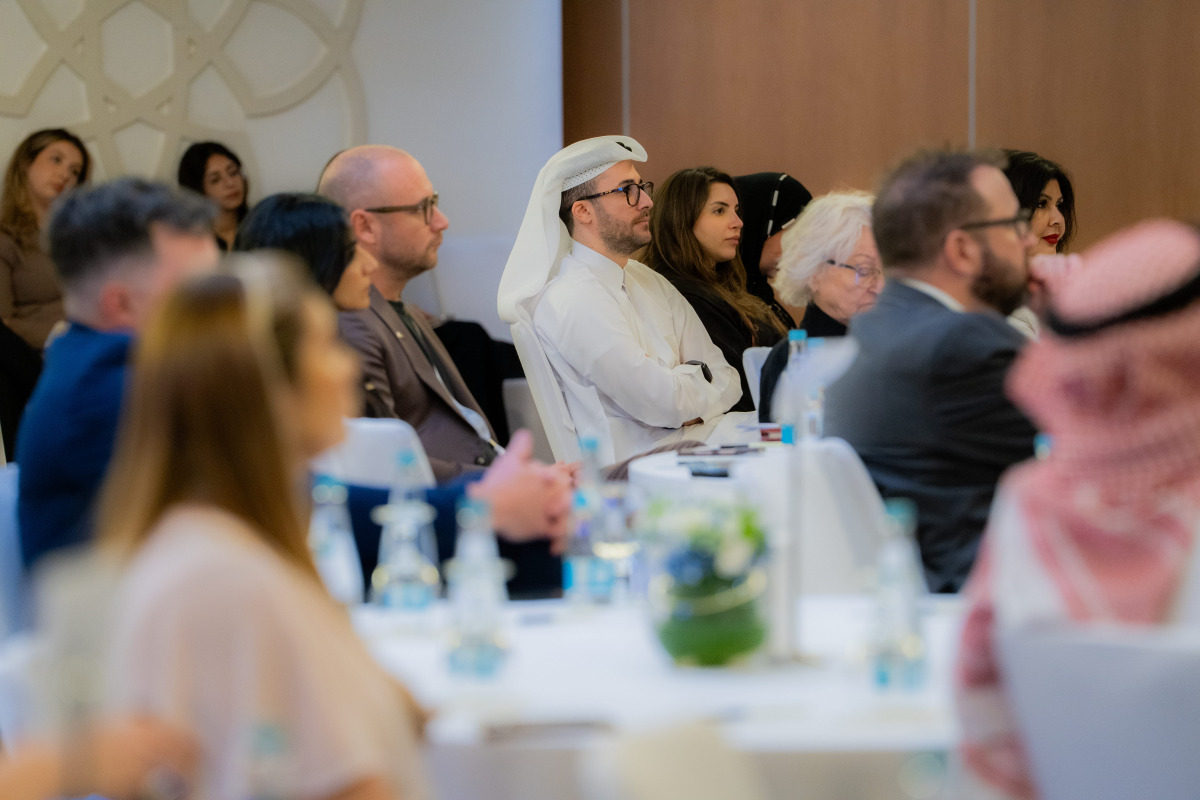
The programme brought together perspectives from senior leaders in government, business, media and communications, with discussions exploring leadership under pressure, Qatar’s reputation amid geopolitical uncertainty, trust in the age of AI, internal communications and culture, and the role of events as engines of influence.
A recurring theme across the Majlis was that influence rests on the strength of the organisation behind the communication. With AI changing how information is created and trusted, the conversations also emphasised the growing importance of verification, human judgement, and accountability.
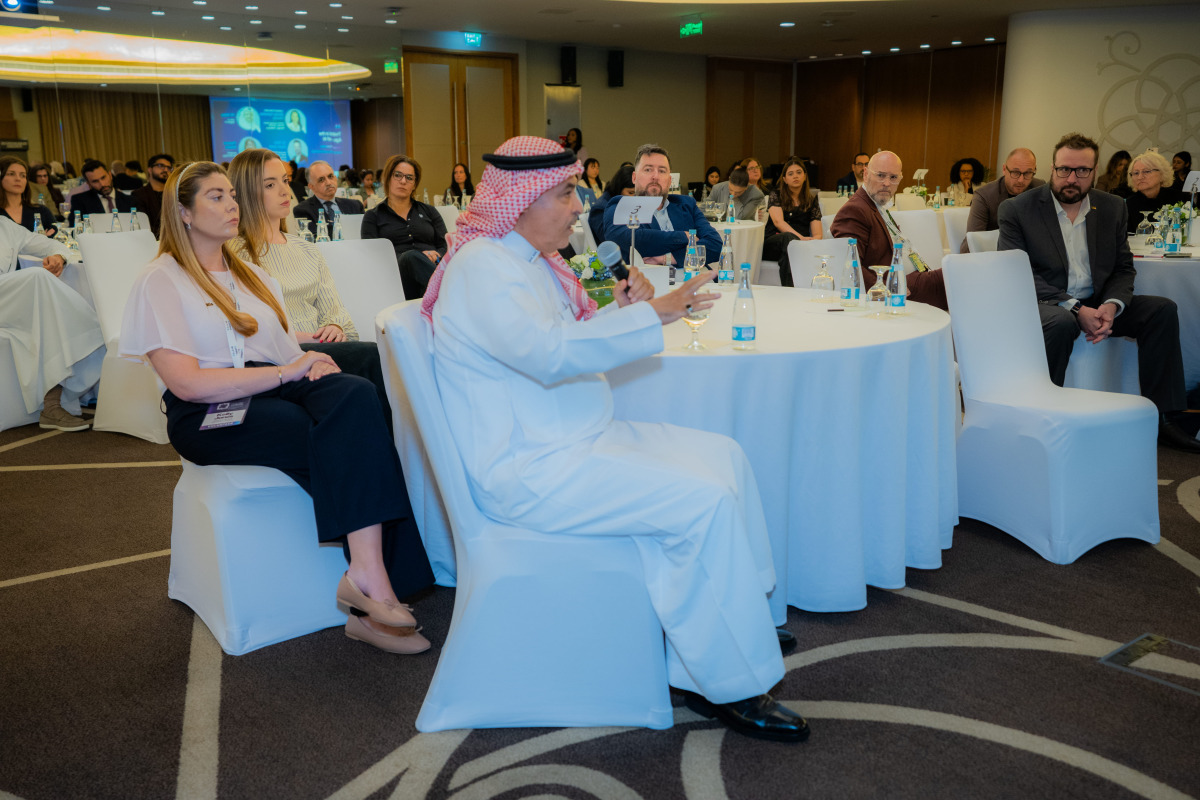
Reflecting on the insights shared during the Majlis, MEPRA Chair, Justin Kerr-Stevens said, “Qatar has a strong and increasingly confident communications community, and the turnout at this year’s Majlis reflects that. What came through very clearly today is that our profession is being asked to operate much closer to leadership, helping organisations understand risk, build trust and navigate an environment that is becoming more complex and less predictable. MEPRA’s strength is that we bring together communicators from across the Middle East, each with different experiences and perspectives, while recognising the depth of expertise that exists within individual markets. Qatar has an important voice in that regional conversation, and today was a powerful demonstration of it.”
The 2026 MEPRA Qatar Leadership Majlis forms part of MEPRA’s year-round work to advance professional standards, build capability and convene senior practitioners around the evolving role of communications in the region.