Doha: Katara Cultural Village, in cooperation with the Yunus Emre Turkish Cultural Center in Doha, held a special cultural event on Wednesday, in Hall 15 to commemorate the Turkish poet Yunus Emre.
The event was attended by Ambassador of Turkiye H E Dr. Mustafa Göksoy, Director of the Yunus Emre Turkish Cultural Center in Doha Enver Gedik and a large audience of those interested in culture and literature.
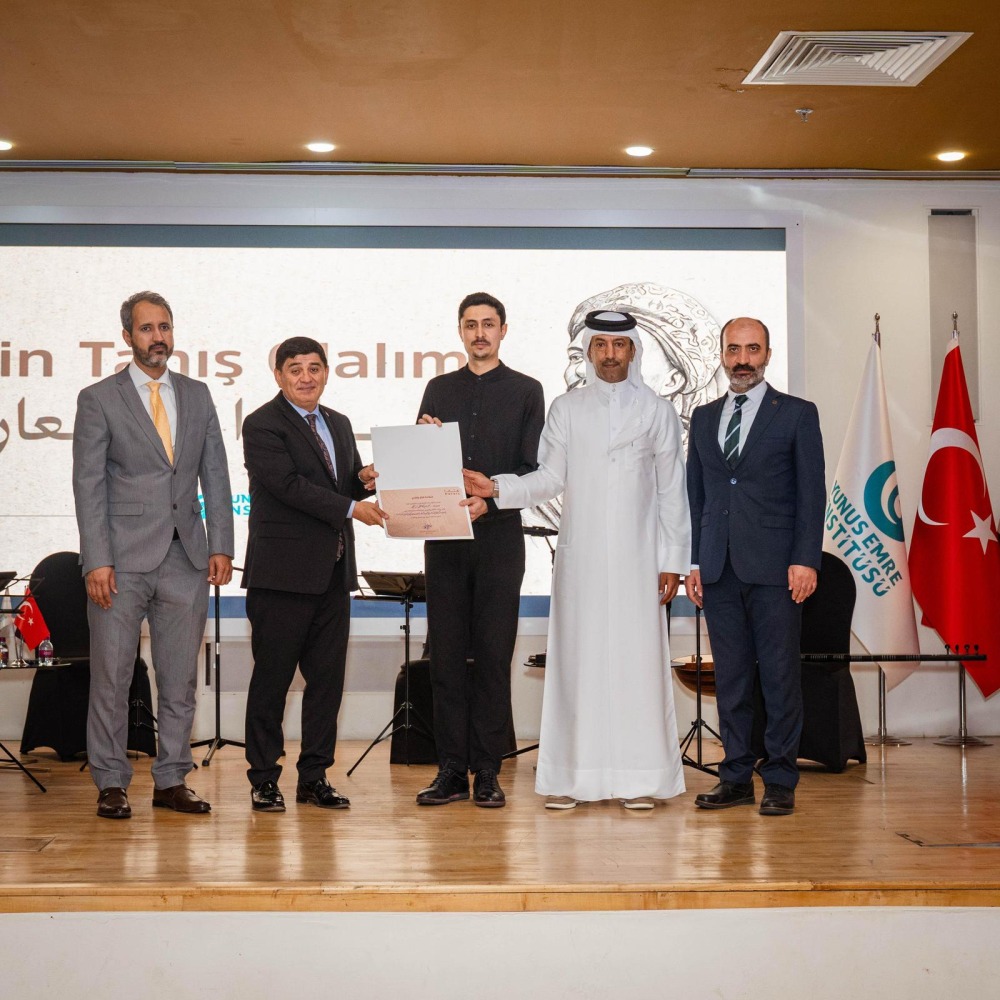
For his part, the Turkish Ambassador, in his address during the evening, emphasized the importance of cultural and educational programs in strengthening human communication and consolidating shared values among peoples. He stressed the necessity of making these events accessible to all segments of society, particularly youth and children.
He also commended the efforts of those organizing cultural, artistic, and musical activities, calling for their support and engagement through social media to expand their community presence and enhance their cultural impact.
The Ambassador expressed his sincere thanks and appreciation to the State of Qatar and Katara for their ongoing support of cultural and intellectual events and for providing a nurturing environment for cultural dialogue and rapprochement among peoples. He affirmed that these initiatives reflect the prestigious cultural standing that Qatar has attained at both the regional and international levels.
For his part, the Director of the Yunus Emre Turkish Cultural Center in Doha praised the human and intellectual values embodied by the great Turkish poet Yunus Emre, emphasizing that his message of love and tolerance remains strongly present in today's world.
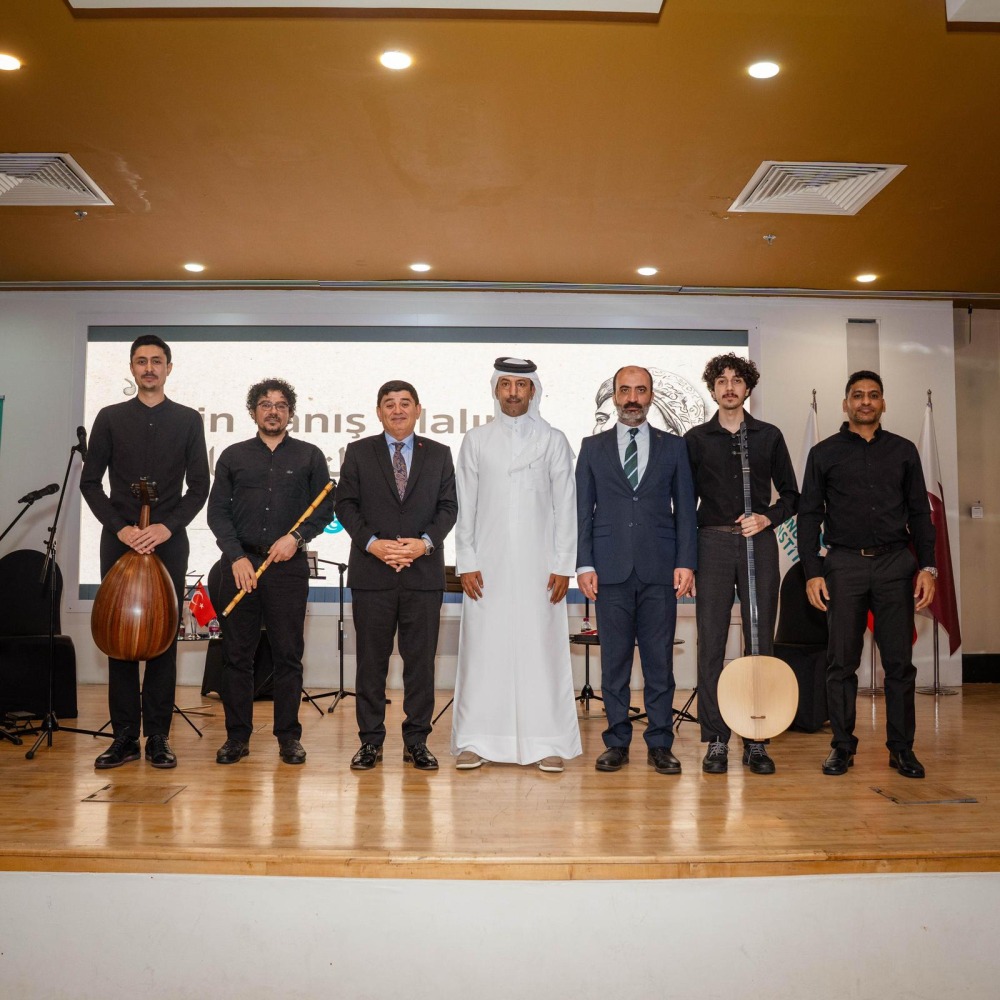
He explained that commemorating Yunus Emre is not merely about remembering a poet, but rather about invoking "a universal humanist thinker who left humanity a message based on love, tolerance, mercy, and unity," noting that his words, despite the passage of nearly eight centuries, have transcended the boundaries of time and continue to touch hearts across the globe.
He added that Yunus Emre's language "is not just Turkish, but the language of the human conscience, heart, and soul," pointing out that the great poet placed humanity at the center of his thought and message, and made love for humanity the essence of his vision of life. He quoted some of his famous verses that summarize his humanistic philosophy: "Let us get to know one another, let us make life easier, let us love one another, for this world is fleeting." He emphasized that the world today needs, more than ever, understanding between peoples, building bridges between cultures, and uniting around shared human values, considering that Yunus Emre's messages are gaining increasing importance in our contemporary world in this context.